




Back to Blog
Summertime across Oklahoma brings an undeniable intensity. From the hot, windswept plains of Southwestern Oklahoma and Lawton down to the North Texas border, July and August afternoon temperatures routinely climb past the triple-digit mark. When this extreme heat hits, your residential air conditioning system becomes your absolute baseline for safety and comfort. You set your thermostat to a crisp, refreshing temperature, expect uniform cooling throughout your entire property, step into a back bedroom or an upstairs living space, and realize it feels like a total sauna.
Dealing with uneven home temperatures is a highly frustrating experience. It forces your family to abandon certain parts of the house during the day and leads to constant thermostat wars in the hallway. Many homeowners assume that a hot room is a definitive sign that their central air conditioner is failing completely or needs a massive component replacement. However, if the rest of your home is cooling down perfectly, the root cause is typically a localized airflow, insulation, or ductwork restriction. At Robinson Air & Plumbing, we have spent years keeping Oklahoma households comfortable and energy efficient. This guide will explore the primary reasons why specific rooms stay stubbornly hot and outline the professional solutions that can restore total balance to your home layout.
The Core Problem: Understanding Airflow and Static Pressure
To diagnose why an individual room remains warm, it helps to understand how your home ventilation system moves air. Your central air conditioner operates as a closed-loop system, acting like a giant lung.
The indoor blower motor pushes cold, conditioned air out through your supply registers, while simultaneously pulling warm indoor air back into the system through your large return air vents. For your home to maintain perfectly uniform temperatures, the volume of air entering a room must exactly match the volume of air exiting that room. If this delicate balance is disrupted by restricted passages or poor duct engineering, specific rooms will be starved of cooling, causing them to trap heat continuously.
Top Reasons Why Specific Rooms Stay Stubbornly Warm
Uneven cooling rarely stems from a single isolated issue. In the unique climate of Southwestern Oklahoma, several structural and mechanical factors frequently combine to create hot zones around a house.
1. Architectural Solar Heat Gain and Window Exposure
The physical orientation of a room relative to the Oklahoma sun dictates its baseline thermal load.
-
South and West Facing Rooms: Spaces with large windows facing the south or west bear the full brunt of the intense afternoon sun. This radiant energy passes right through standard glass, baking the interior walls, flooring, and furniture.
-
The Thermostat Blind Spot: If your central thermostat is located in a shaded, central hallway, it will read that the home is perfectly cool and shut the system down long before the sun-drenched corner bedrooms have had a chance to drop to a comfortable temperature.
2. Leaky, Damaged, or Uninsulated Ductwork
Your attic duct network is the highway that carries cold air to your living spaces. In an Oklahoma summer, attic temperatures can easily soar past 130 degrees. If your ducts are compromised, that extreme heat will invade your supply lines.
-
Separated Joints and Cracks: Over years of seasonal expansion and contraction, the tape and mastic sealing your metal or flexible duct joints can degrade. Cold air will escape into your unoccupied attic space, leaving very little pressure to reach the furthest rooms on the line.
-
Choked Flex Ducts: Flexible ductwork can easily sag, kink, or become crushed by storage boxes in the attic. A sharp bend in a flexible duct acts like a permanent kink in a garden hose, completely choking the cooling flow to that specific register.
3. The Lack of Adequate Return Vents
Many residential properties built in previous decades feature a single, massive return air grille located in a central hallway, rather than individual return registers in every bedroom.
-
The Closed-Door Bottleneck: When you close a bedroom door at night, you create a physical barrier. The supply register continues to push cold air into the room, but the air has no path to escape and travel back to the central hallway return.
-
The Pressurization Block: The bedroom pressurizes like an over-inflated tire. Once the room pressure matches the duct pressure, no more cold air can enter the space, forcing the room to stay warm and stuffy throughout the night.
4. Poor System Sizing and Duct Design
An air conditioner must be tailored precisely to the specific square footage and architectural layout of your property.
-
Single-Stage Inflexibility: Older, single-stage cooling systems blast your home with cold air at 100 percent capacity and then shut down quickly. This short running cycle doesn’t allow air to circulate completely to the furthest rooms of a house, creating permanent hot and cold zones.
-
Improper Trunk Line Sizing: If the sheet-metal trunk lines extending from your indoor air handler were not engineered with the correct reducing dimensions, static pressure will drop off naturally before the air reaches the end of the line.
Practical Steps Homeowners Can Take Immediately
Before calling for a professional diagnostic visit, there are several simple adjustments you can make to see if your airflow balance improves.
-
Check and Clear Supply Registers: Walk into the hot room and verify that the metal louvers on the supply register are fully open. Ensure that heavy curtains, large area rugs, or furniture pieces are not physically blocking the register opening.
-
Utilize the Fan On Thermostat Setting: Change your thermostat fan setting from AUTO to ON. This forces the indoor blower motor to run continuously even when the AC compressor cycles off, helping to blend and homogenize the air across all rooms.
-
Install High-Quality Window Coverings: Use blackout curtains or cellular solar shades on west-facing windows to block radiant solar energy before it can warm your indoor air.
-
Practice Strategic Air Balancing: You can partially close the supply registers in rooms that stay naturally freezing, such as basements or rooms closest to the indoor unit. This redirects a portion of the system static pressure toward the hot rooms at the end of the duct network.
Long-Term Professional Fixes that Actually Work
If simple airflow balancing doesn’t solve the issue, your home infrastructure requires professional attention. At Robinson Air & Plumbing, our licensed technicians specialize in permanent comfort solutions.
High-Efficiency Mini-Split Installations
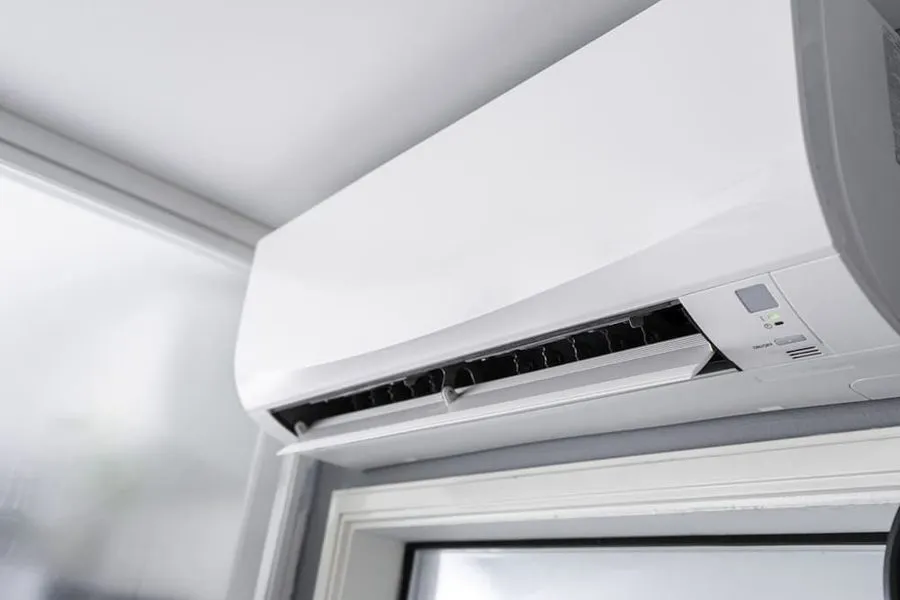
For rooms that are notoriously difficult to cool, such as converted garages, bonus rooms above a garage, or historic additions, installing a ductless mini-split system is the ultimate solution. These compact systems feature an independent outdoor condenser paired with a sleek indoor wall unit, allowing you to control the exact temperature of that specific room completely independently of your main central system.
Aeroseal Duct Sealing and Insulation Upgrades
If your attic ducts are leaking valuable cold air, we use advanced diagnostic tools to measure your exact system CFM loss. Utilizing modern duct-sealing technologies alongside blown-in attic insulation ensures that your cold air reaches its intended destination without being warmed by the attic environment.
Reclaim Complete Comfort in Every Room
A premium central air conditioning system should deliver uniform, reliable relief to every square foot of your property. Allowing a single hot room to ruin your home lifestyle or drive up your utility statements is an unnecessary stress that can be corrected with accurate diagnostics.
Stop avoiding specific rooms in your house this summer. Contact Robinson Air & Plumbing today to schedule a cooling system and airflow evaluation with our expert residential specialists. Let our family-operated team deliver the honest, long-lasting comfort solutions that give your household absolute peace of mind through every heatwave.
Recent News
Why HVAC Systems Struggle During Southwest Oklahoma Heat Waves
Should You Repair or Replace Your AC Before Summer in Southwest Oklahoma?
How to Prep Your AC for Early Heat Waves in Southwest Oklahoma
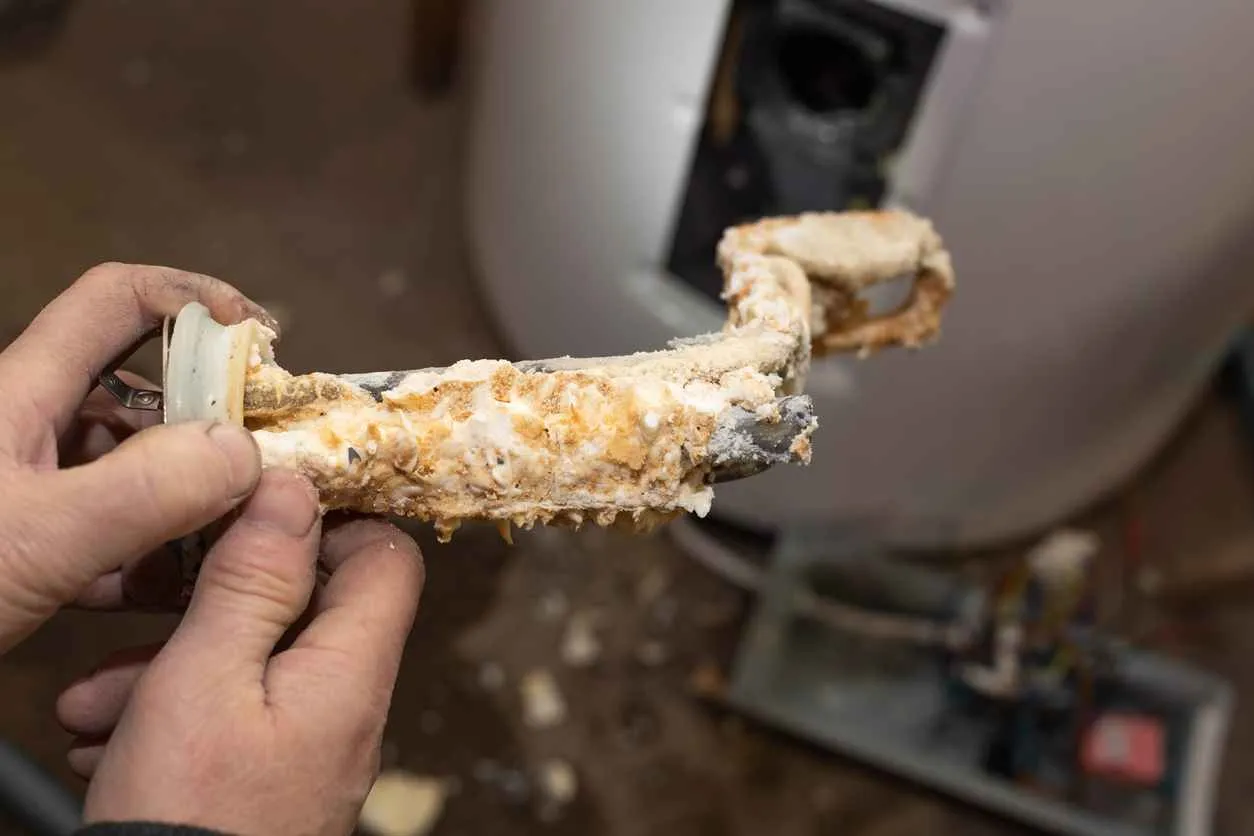
How Hard Water in Southwest Oklahoma and Wichita Falls Damages Water Heaters Faster
Get in Touch