



Back to Blog
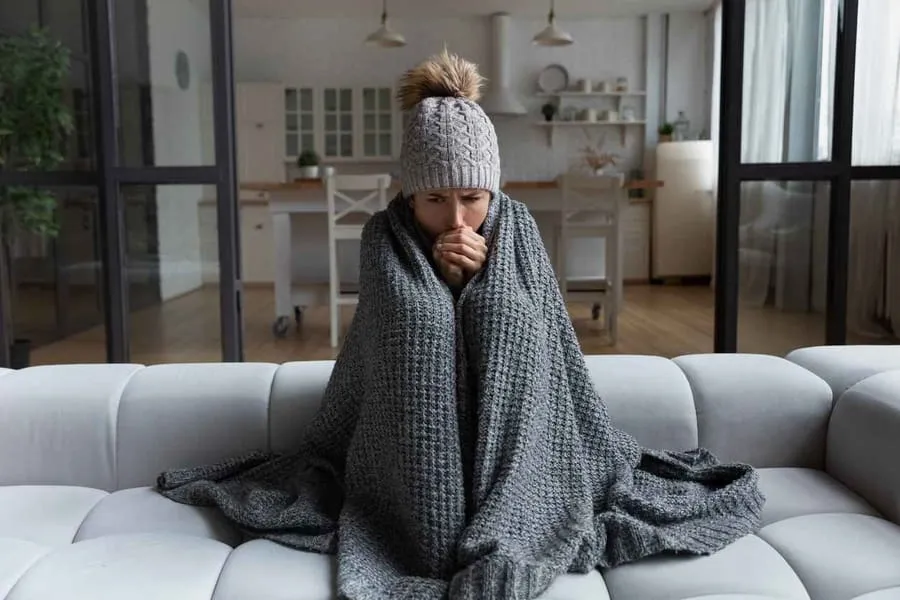
A sudden heat failure during winter is more than an inconvenience. When indoor temperatures drop quickly, homes face increased risks of frozen pipes, water damage, and unsafe living conditions. For families, pets, and vulnerable household members, losing heat can become an urgent situation within hours.
Knowing what to do immediately after your heat stops working can help you stay safe and reduce damage while waiting for repairs. In this blog, we’re walking homeowners through the most important first steps to take during a winter heating emergency, how to keep your home warm safely, and how to minimize costly damage until professional help arrives.
First Steps to Take When Your Heat Stops Working
When your heat fails in winter, quick action can help prevent damage and keep your household safe. Before assuming a major breakdown, there are a few basic checks homeowners can safely perform. These steps often identify simple issues and help you communicate clearly if professional service is needed.
Check Thermostat Settings and Power Supply
Start with the most common and easily overlooked causes of heat failure. Be sure to:
-
Confirm the thermostat is set to heat and not cool
-
Raise the temperature several degrees above the current room temperature
-
Check that the thermostat has power and working batteries
-
Make sure schedules or smart settings have not changed unexpectedly
Thermostat issues are a frequent cause of sudden heat loss and can sometimes be resolved quickly.
Inspect Breakers and System Switches
If the thermostat appears to be working, the next step is checking electrical power to the system. Homeowners should:
-
Look for tripped breakers in the electrical panel
-
Reset a tripped breaker once if safe to do so
-
Check the furnace or air handler power switch
-
Ensure service disconnects are in the on position
If breakers trip repeatedly or the system will not power on, stop troubleshooting and prepare to call for professional service.
How to Keep Your Home Warm Safely
When your heating system is down in winter, staying warm becomes a priority. It is important to use only safe, temporary methods that reduce risk while you wait for repairs. Improper heating choices can quickly lead to fire hazards or carbon monoxide exposure.
Safe Use of Space Heaters
Space heaters can provide temporary warmth when used correctly. Follow these safety guidelines:
-
Use heaters with automatic shutoff and tip over protection
-
Plug heaters directly into a wall outlet
-
Keep heaters at least three feet away from furniture and curtains
-
Turn heaters off when sleeping or leaving the room
Space heaters should never be used as a long term solution but can help maintain comfort in occupied rooms.
Sealing Rooms to Retain Heat
Keeping warmth contained helps prevent indoor temperatures from dropping too quickly. Helpful steps include:
-
Close doors to unused rooms
-
Block drafts around windows and exterior doors
-
Use heavy curtains or blankets to reduce heat loss
-
Gather family members in one or two rooms to conserve warmth
These simple steps help slow heat loss and reduce the risk of frozen pipes and cold related damage.
Preventing Frozen Pipes and Water Damage
One of the biggest risks during a winter heat failure is frozen plumbing. When indoor temperatures drop, pipes can freeze quickly and burst once they thaw, leading to extensive water damage. Taking preventive steps right away helps protect your home while heat is restored.
Letting Faucets Drip
Allowing water to move through pipes reduces the chance of freezing. Homeowners should:
-
Let both hot and cold faucets drip slightly
-
Focus on faucets connected to exterior walls
-
Run water periodically if dripping is not possible
-
Keep water flowing overnight when temperatures drop further
Moving water is far less likely to freeze than standing water.
Opening Cabinets and Insulating Exposed Pipes
Exposed plumbing needs access to warmer indoor air. Helpful actions include:
-
Opening cabinets under sinks to allow heat circulation
-
Removing stored items that block airflow near pipes
-
Wrapping exposed pipes with towels or insulation
-
Using pipe insulation sleeves if available
These steps help protect vulnerable plumbing areas and reduce the risk of burst pipes during a heating emergency.
Get Fast Help When Winter Heat Failure Becomes an Emergency
A winter heat failure can quickly put your home and family at risk if it is not addressed promptly. From frozen pipes and water damage to unsafe indoor conditions, acting fast helps minimize costly problems and restore comfort as quickly as possible. Knowing when to stop troubleshooting and call for professional help is key during a heating emergency.
Robinson Air provides reliable emergency heating repair to help homeowners regain safe, dependable heat during winter breakdowns. Our experienced technicians respond quickly, diagnose the issue accurately, and restore system operation with safety as the top priority.
If your heat stops working during winter, contact Robinson Air right away to get the expert help you need and prevent further damage to your home.
Recent News
How to Prep Your AC for Early Heat Waves in Southwest Oklahoma
How Hard Water in Southwest Oklahoma and Wichita Falls Damages Water Heaters Faster
Plumbing and HVAC Oversights That Cause High Energy Bills Across the Plains
Heat Pumps in Texas & Oklahoma: Are They A Viable Option for Your Home?
Get in Touch