


Back to Blog
Living across the Southern Plains means dealing with some of the most dramatic weather shifts in the country. From triple-digit heatwaves in July to biting North winds in January, our HVAC and plumbing systems are under constant pressure to perform. However, many homeowners in Lawton and the surrounding areas find themselves staring at skyrocketing energy bills without a clear explanation.
Usually, when a utility bill spikes, we blame the thermostat or the length of our showers. While those play a role, the real culprits are often hidden oversights in how our systems are maintained or configured. In the Plains, the environment works against your home’s efficiency. High wind speeds, heavy dust, and hard water minerals create a “tax” on your equipment that slowly increases your monthly costs.
At Robinson Air, we believe that efficiency is about more than just buying the newest equipment; it is about eliminating the small leaks and mechanical strains that add up over time. In this blog, we will look at the most common HVAC and plumbing oversights that cause high bills across the Plains and how you can fix them.
HVAC Oversights: Fighting the Southern Heat
In Oklahoma and Texas, your air conditioner is the primary driver of your summer energy costs. If your system isn’t running at peak efficiency, you aren’t just losing comfort, you are losing money every time the compressor kicks on.
The Dust and Pollen Barrier
The Plains are notoriously windy and dusty. This airborne debris acts like a blanket over your HVAC components, forcing the system to work twice as hard to move air.
-
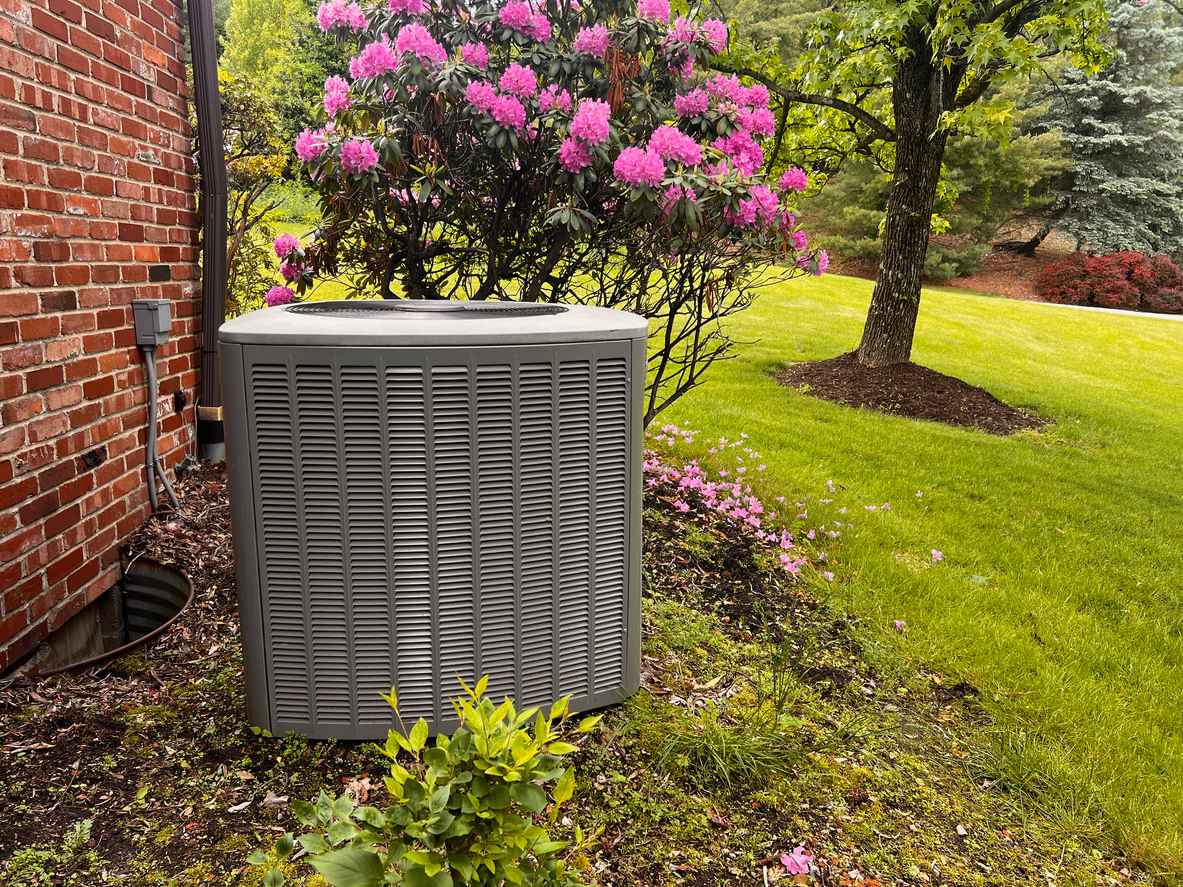
Impact on Outdoor Coils: When dust and grass clippings coat your outdoor condenser unit, it cannot release heat effectively. This forces the system to run longer cycles to reach your target temperature.
-
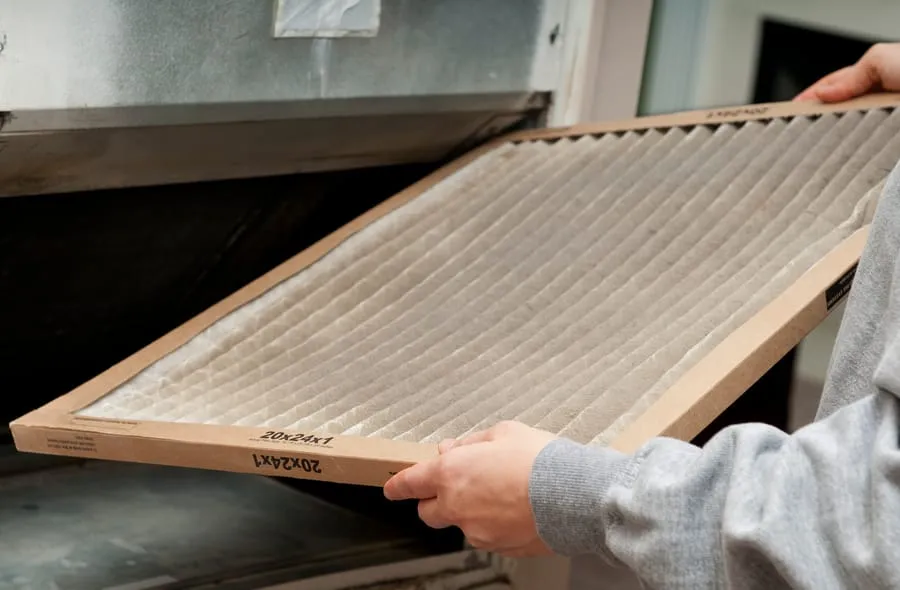
Filter Neglect: Because of the high pollen and dust levels in our region, standard filters clog much faster than the manufacturer’s “three-month” estimate. A clogged filter is the number one cause of high blower motor energy consumption.
-
Ductwork Leakage: High winds can cause homes to shift over time, often pulling ductwork connections apart in the attic. This results in you paying to cool your attic instead of your living room.
Inefficient Thermostat Settings
Many homeowners try to “save” money by turning the AC off during the day and blasting it when they get home. In the Southern Plains, this actually causes bills to rise.
-
The Heat Load Problem: Once your walls, furniture, and flooring soak up the 100-degree Oklahoma heat, your AC has to work for hours at maximum capacity just to remove that “heat load.”
-
Constant Fan Mode: Leaving your thermostat fan setting to “On” instead of “Auto” can significantly increase your electric bill and raise the humidity levels inside your home, making it feel warmer than it actually is.
Plumbing Oversights: The Hard Water Tax
Plumbing is often overlooked when discussing energy bills, but your water heater is typically the second-largest energy consumer in your home. Across the Plains, our water quality plays a major role in how much you pay for a hot shower.
Mineral Scale Buildup
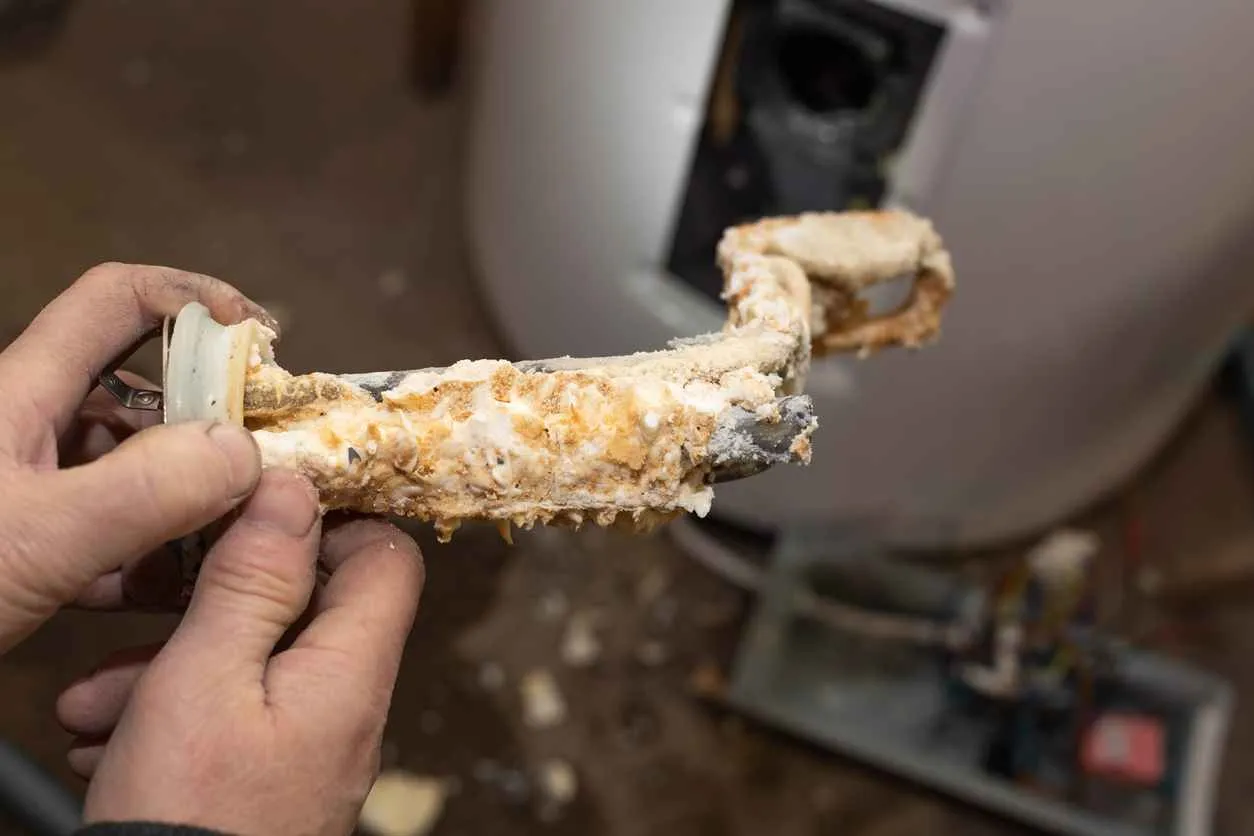
The water in our region is often “hard,” meaning it is rich in minerals like calcium and magnesium. When this water is heated, the minerals solidify and settle at the bottom of your tank.
-
The Insulating Layer: This sediment forms a thick layer of “rock” between the heating element and the water. To heat the water, the system must first heat through that layer of stone, wasting a massive amount of gas or electricity.
-
Increased Burn Time: A water heater with sediment buildup can take up to 50% longer to reach the desired temperature compared to a clean unit.
-
Reduced Tank Volume: As sediment fills the bottom of the tank, you have less actual hot water available, leading to shorter showers and more frequent heating cycles.
Temperature and Insulation Failures
Most water heaters are set to 140°F by default at the factory, which is higher than most households need and leads to “standby heat loss.”
-
Lowering the Dial: Dropping your water heater to 120°F can save you significantly on your monthly energy bill without sacrificing comfort.
-
Uninsulated Pipes: In the winter, the “Plains” winds can chill the air in your crawlspace or garage. If your hot water pipes aren’t insulated, the heat escapes before it ever reaches your faucet, forcing you to run the water longer.
Aerodynamic and Structural Factors
The open geography of the Plains means our homes are exposed to constant wind pressure, which directly impacts HVAC performance in ways that don’t happen in forested or mountainous regions.
Wind-Induced Pressure Imbalance
When strong winds hit one side of your home, they create high pressure on the windward side and low pressure on the leeward side. This can “suck” conditioned air right out of your house through small gaps.
-
Bypassing the Return Air: If your home isn’t properly sealed, the wind can force outdoor air into your return vents, making your system work harder to cool or heat “new” air constantly.
-
Exhaust Vent Backdrafting: Strong gusts can occasionally interfere with the proper venting of gas furnaces or water heaters, causing safety switches to trip or reducing burner efficiency.
Attic Insulation Settling
The extreme temperature swings from summer to winter cause attic materials to expand and contract. Over time, insulation can settle or shift, leaving “bald spots” where heat can easily transfer between your home and the outdoors.
-
R-Value Importance: For the Southern Plains, high R-value insulation is a must. If your insulation is level with your floor joists, you likely don’t have enough to keep the Oklahoma summer heat out of your living space.
Reclaiming Your Utility Budget with Robinson Air
Is your energy bill higher than it should be? Don’t guess where the money is going. At Robinson Air, we specialize in identifying the unique HVAC and plumbing challenges faced by homeowners in the Southern Plains. Our expert technicians can perform a comprehensive efficiency audit, from flushing your water heater to cleaning your condenser coils and checking your ductwork.
Contact us today to schedule your assessment and start saving on your next utility bill.
Recent News
How to Prep Your AC for Early Heat Waves in Southwest Oklahoma
How Hard Water in Southwest Oklahoma and Wichita Falls Damages Water Heaters Faster

Emergency Heat Failure in Winter: What to Do Immediately & How to Minimize Damage
Heat Pumps in Texas & Oklahoma: Are They A Viable Option for Your Home?
Get in Touch