



Back to Blog
Summertime in Southwest Oklahoma is famously unforgiving. When a major heat wave rolls across Lawton, Fort Sill, and the surrounding plains, our local weather frequently breaks into the triple digits. Combined with dry, dusty winds from the west and sudden spikes of humidity moving up from the Gulf, your home’s air conditioner is forced to run a grueling marathon under extreme pressure.
Sitting in a warm, stuffy house while your outdoor unit runs non-stop is incredibly frustrating. Many local families assume that when their home comfort drops during a heat dome, it means their air conditioner is completely broken and needs to be replaced. In reality, even a perfectly healthy air conditioning system faces a massive uphill battle against Southwest Oklahoma’s unique climate footprint. Robinson Air & Plumbing has been keeping local households safe and comfortable since 2011. This guide breaks down the everyday reasons why your cooling grid struggles during extreme heat waves, and the practical steps you can take to protect your system.
The 20-Degree Rule: Understanding the Limits of Air Conditioning
The most important thing for any Oklahoma property owner to understand is that residential air conditioners are not designed to create ice-cold indoor rooms regardless of how hot it gets outside. Instead, home cooling systems operate on a basic physical limit known as the 20-degree rule.
Under normal design conditions, a standard residential air conditioner is engineered to drop the incoming air temperature by a maximum of 15 to 20 degrees compared to the air outside. When Lawton temperatures hover around a normal 90-degree summer afternoon, your system can easily maintain a crisp 70-degree indoor environment.
But when a blistering Oklahoma heat wave pushes the outdoor thermometer up to 105 degrees or higher, your system is running well past its factory design limits just to hold your living spaces at 80 or 82 degrees. Expecting your thermostat to hold at 68 degrees during a triple-digit heat wave forces your equipment to run continuously without a break. This non-stop operation does not lower the temperature; it simply overheats your system’s electrical motors and drives up your monthly utility bills.
Common Heat Wave Bottlenecks That Slow Down Your AC
When an air conditioner is pushed past its normal operating limits during an intense summer stretch, any hidden maintenance flaw or dirt accumulation will instantly cause the system to fall short on cooling.
Why Your System Fails to Deliver Crisp Air When It’s Hot
-
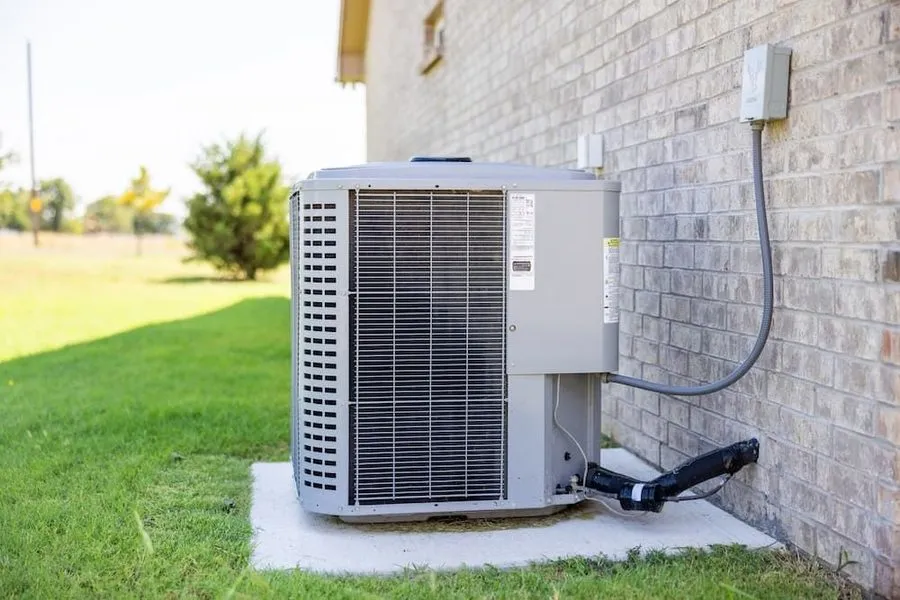
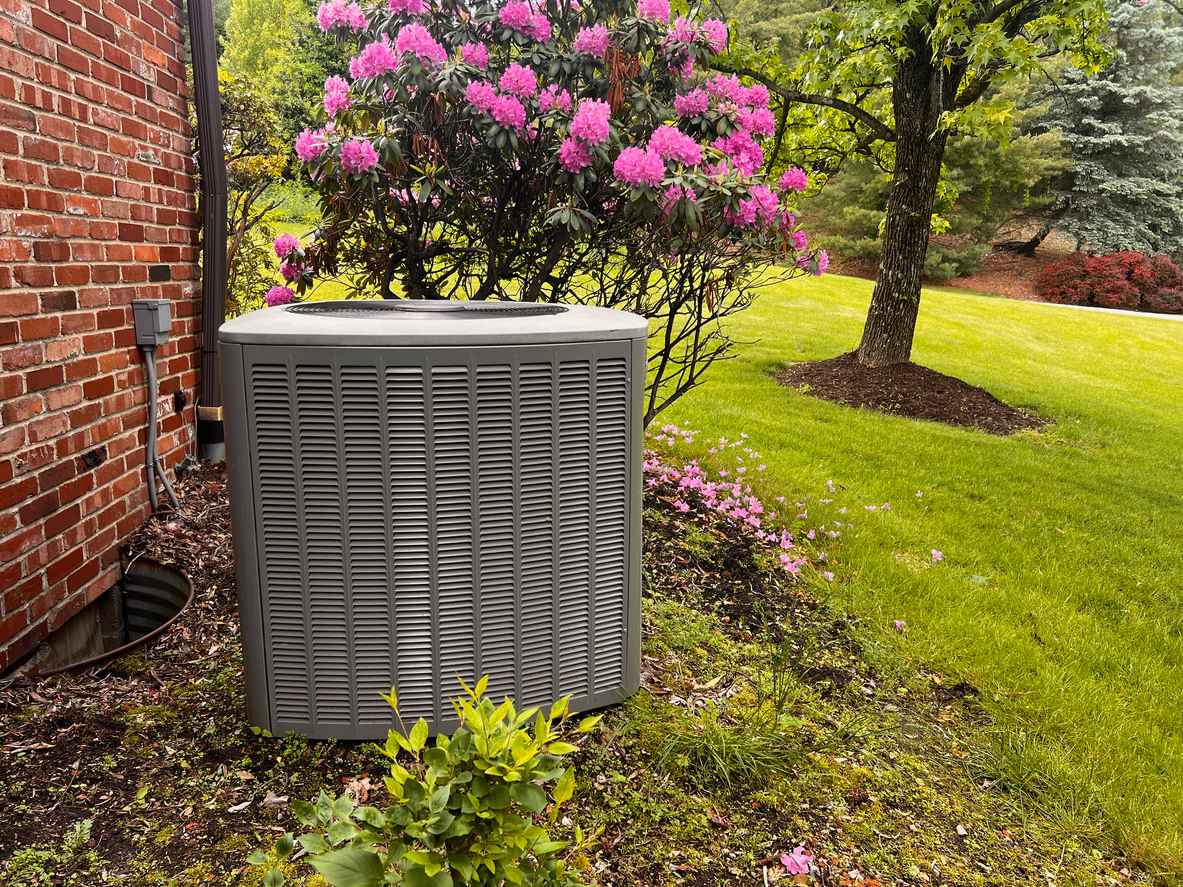
Dust and Dirt Matted on Outdoor Coils: Your outdoor AC cabinet works by using a large fan to blow heat out of its metal coils into the air. If our local Southwest Oklahoma winds have packed those coils with dust, dirt, and dried grass clippings, the system cannot exhaust heat properly, keeping your indoor vents warm.
-
Clogged Indoor Air Filters: High summer usage means your indoor air filter fills up with dust and pet hair twice as fast. A clogged filter chokes off airflow, causing the indoor cooling coils to drop below freezing and turn into a solid block of ice that cuts off all cold drafts.
-
Low Refrigerant and Tiny Coolant Leaks: Refrigerant is the lifeblood of your air conditioner, absorbing heat from your indoor rooms and moving it outside. If your system has a microscopic crack and loses even a small amount of this chemical, it loses its cooling capacity entirely under heavy weather conditions.
-
Worn-Out Dual Run Capacitors: The capacitor acts like a heavy-duty starting battery for your outdoor fan and compressor. High outdoor temperatures generate intense electrical heat, causing these small components to expand, pop, and fail under continuous operation.
The Southwest Oklahoma Factor: Red Clay Soil and Intense Sun
Living along the southern edge of Oklahoma introduces a few distinct geographic and atmospheric challenges that directly impact how your home utilities hold up over time. Our local terrain requires a highly disciplined approach to home maintenance.
How Our Local Landscape Strains Your Cooling Grid
-
The Impact of Red Clay Dirt and Dust Storms: Unlike the humid, forested areas of eastern Oklahoma, our western plains are prone to dry, dusty conditions. This fine red clay dust acts like a blanket, quickly coating outdoor electrical components and mechanical fan bearings, causing them to overheat.
-
Severe Seasonal Soil Shifting: Our dense red clay soil shrinks drastically during long droughts and swells up when it rains. This steady ground movement can cause the concrete or plastic pad holding your outdoor unit to tilt and sag, placing stress on your copper refrigerant lines until they crack.
-
Intense Solar Heat Gain Across the Plains: With minimal natural tree shade across many local developments, the blazing afternoon sun beats directly down on our rooftops and brick walls. This intense radiant energy turns attics into ovens, placing an immense thermal load on your hidden ductwork.
Simple Ways to Ease the Load on Your Cooling System
When a major heat wave hits the region, you can take a few quick, low-cost steps around your house to help your air conditioner catch its breath and protect your household budget from skyrocketing power bills.
-
Set Your Thermostat to a Reasonable Summer Temperature: During peak afternoon hours, raise your thermostat setting to 75 or 78 degrees. Every degree you raise your target temperature saves your system from hours of unnecessary mechanical strain.
-
Keep Your Window Blinds and Curtains Fully Closed: Direct sunlight passing through window glass acts like a high-powered radiant heater. Keep your southern and western blinds shut tight to block out the sun’s natural greenhouse effect.
-
Avoid Running Heavy Heat Appliances Until Sunset: Postpone running your clothes dryer, hot dishwasher, or open kitchen oven until the cool of the evening. These appliances dump gallons of humid, hot air directly into your living zones.
-
Check and Wash Around Your Outdoor Cabinet: Ensure that tall weeds, lawn chairs, or storage bins are kept at least two feet away from your outdoor unit so the fan has plenty of room to breathe and exhaust heat freely.
Find Your Perfect Home Comfort Solution with Robinson Air & Plumbing
Surviving an intense Southwest Oklahoma summer requires an air conditioning system that can breathe freely and run efficiently. While simple tasks like replacing a dusty air filter or drawing your living room shades can clear up minor cooling bottlenecks, solving deep electrical failures or delicate refrigerant leaks takes specialized diagnostic tools and professional trade training. Continuing to force an overtaxed system to run non-stop through triple-digit heat domes is a high-stakes gamble that guarantees sky-high utility bills and premature compressor burnouts. Making the proactive decision to schedule maintenance and update worn electrical elements ensures your home utility grid operates safely, drops your monthly operating costs, and keeps your property cool and refreshing through the warmest summer stretches.
You don’t have to sweat through frustrating cooling issues or navigate confusing mechanical breakdowns on your own. The friendly, fully licensed team at Robinson Air & Plumbing has been delivering dependable, honest home utility solutions across Lawton and the surrounding Southwestern Oklahoma communities since 2011. Whether you need a fast emergency repair to fix a blown capacitor, a thorough coil cleaning to wash away red clay dust, or a professional load calculation for a fresh system modernization, we treat your property with complete respect.
Reach out today to schedule your HVAC service!
Recent News
Why Some Rooms in Your Oklahoma Home Stay Hot Even When the AC Is Running
Should You Repair or Replace Your AC Before Summer in Southwest Oklahoma?
How to Prep Your AC for Early Heat Waves in Southwest Oklahoma
How Hard Water in Southwest Oklahoma and Wichita Falls Damages Water Heaters Faster
Get in Touch